Loading...
Go to homeGo to Homepage openFF
Development with Open ForceField
  • intro
  • Details
  • AboutMe
  • Contact
Get started
 
Linkedin
Slack workspace

Advancing Polymer Simulations with OpenFF

Francesco Blasina applies OpenFF to advance polymer simulations, optimizing torsional parameters for precise modeling of glass transition temperatures and thermodynamic properties in LAMMPS.

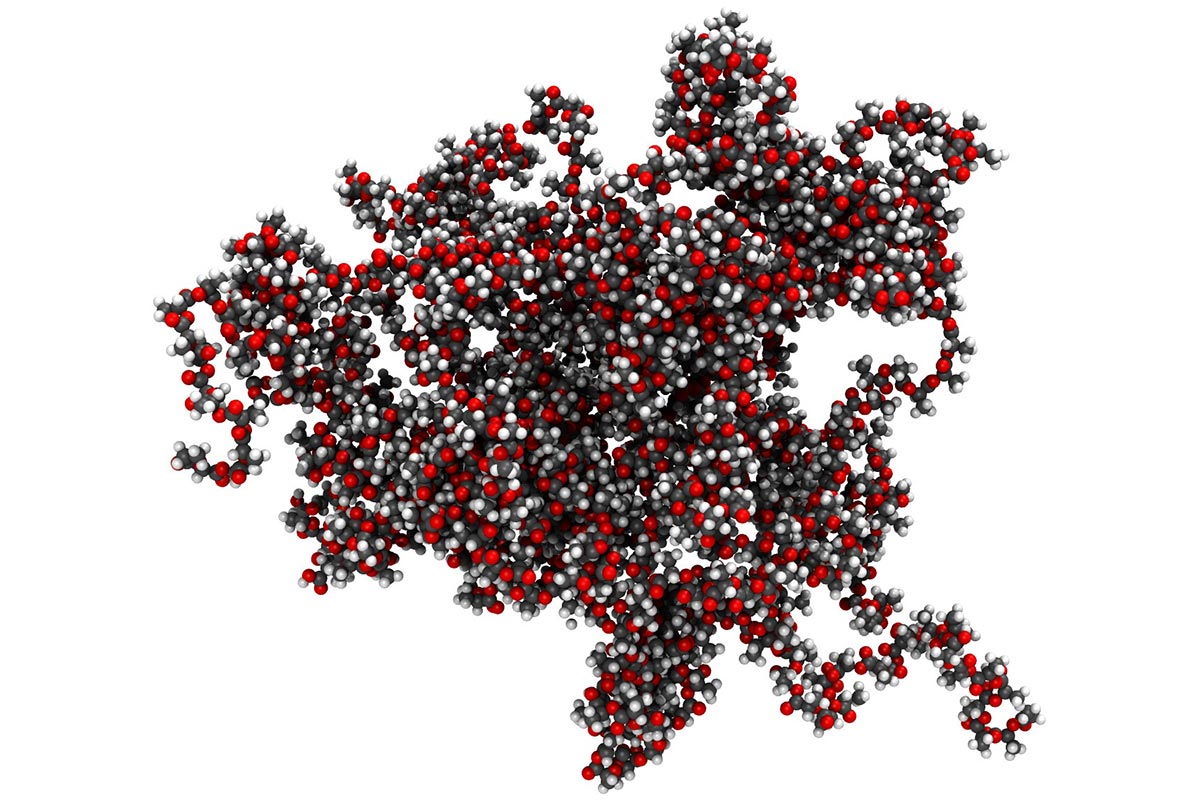
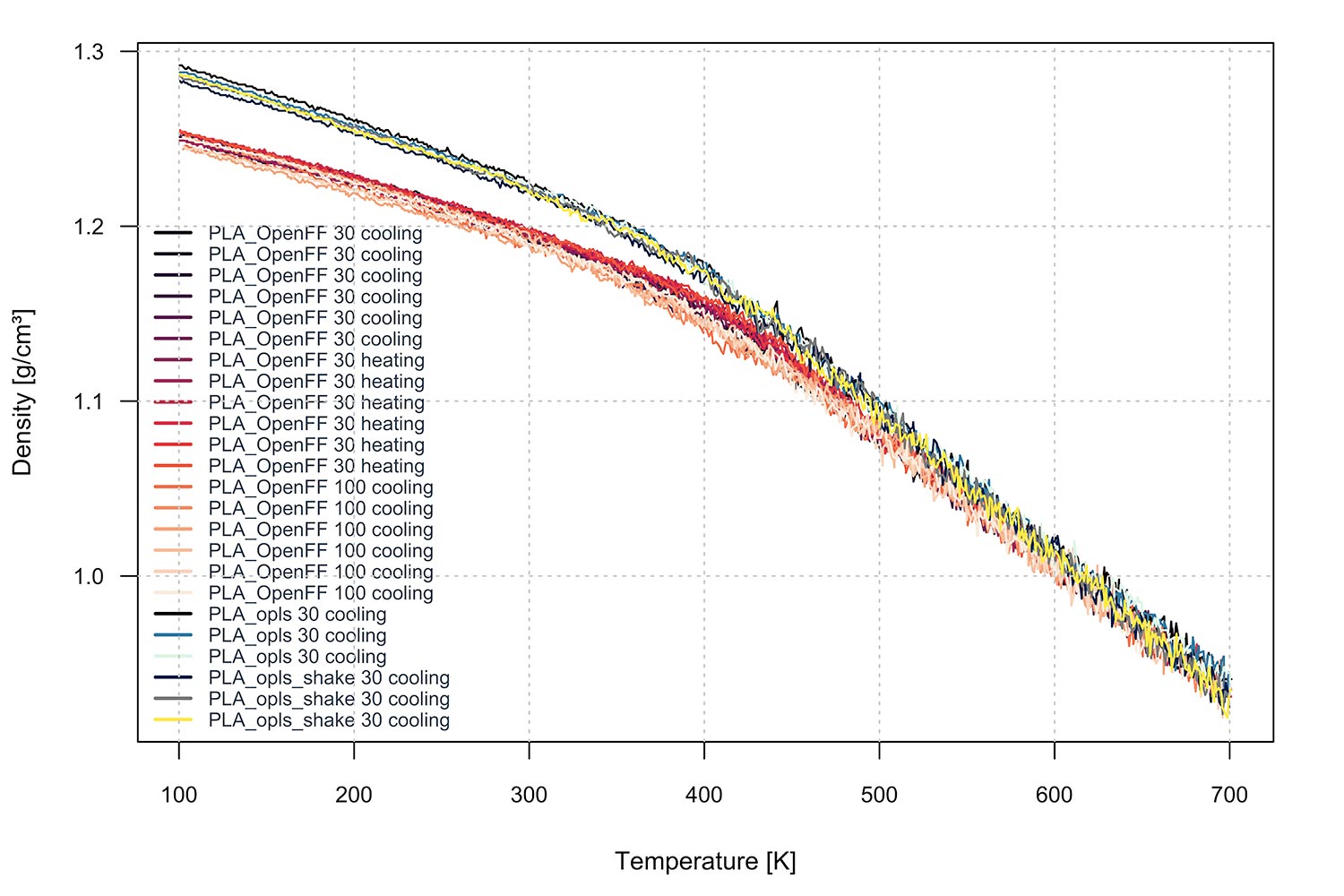
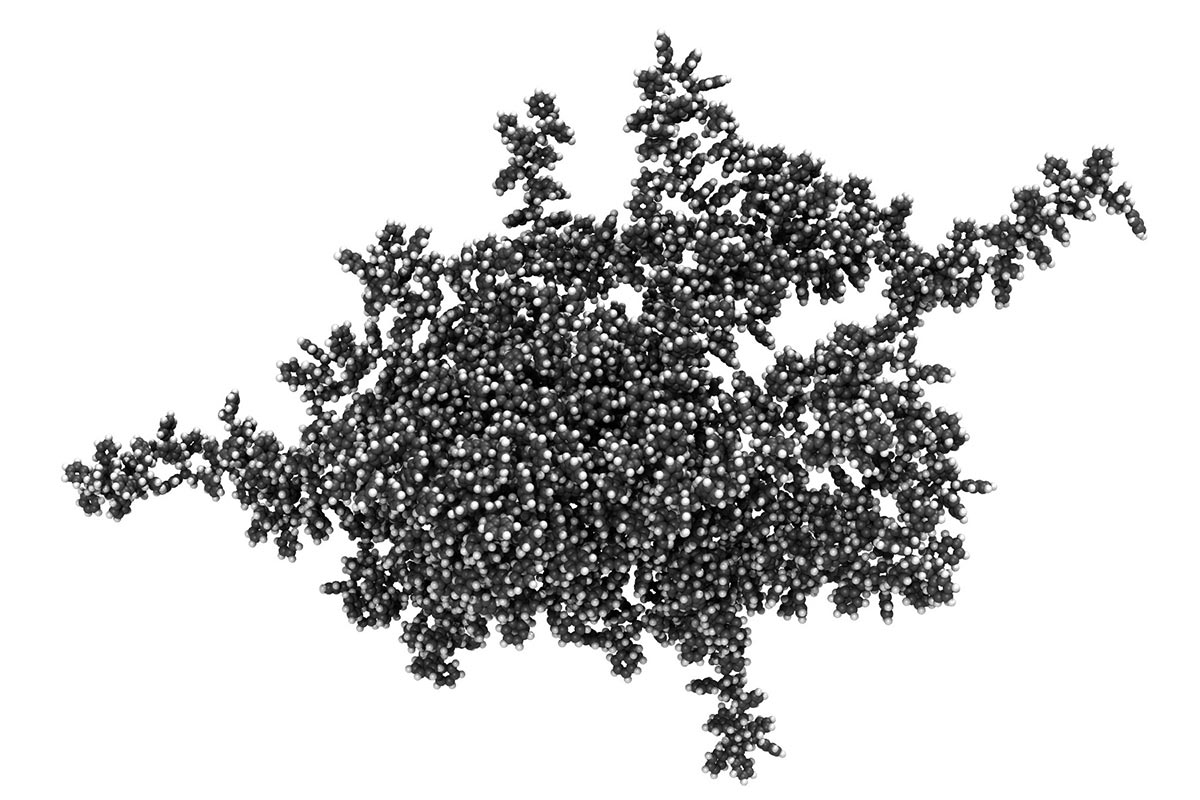
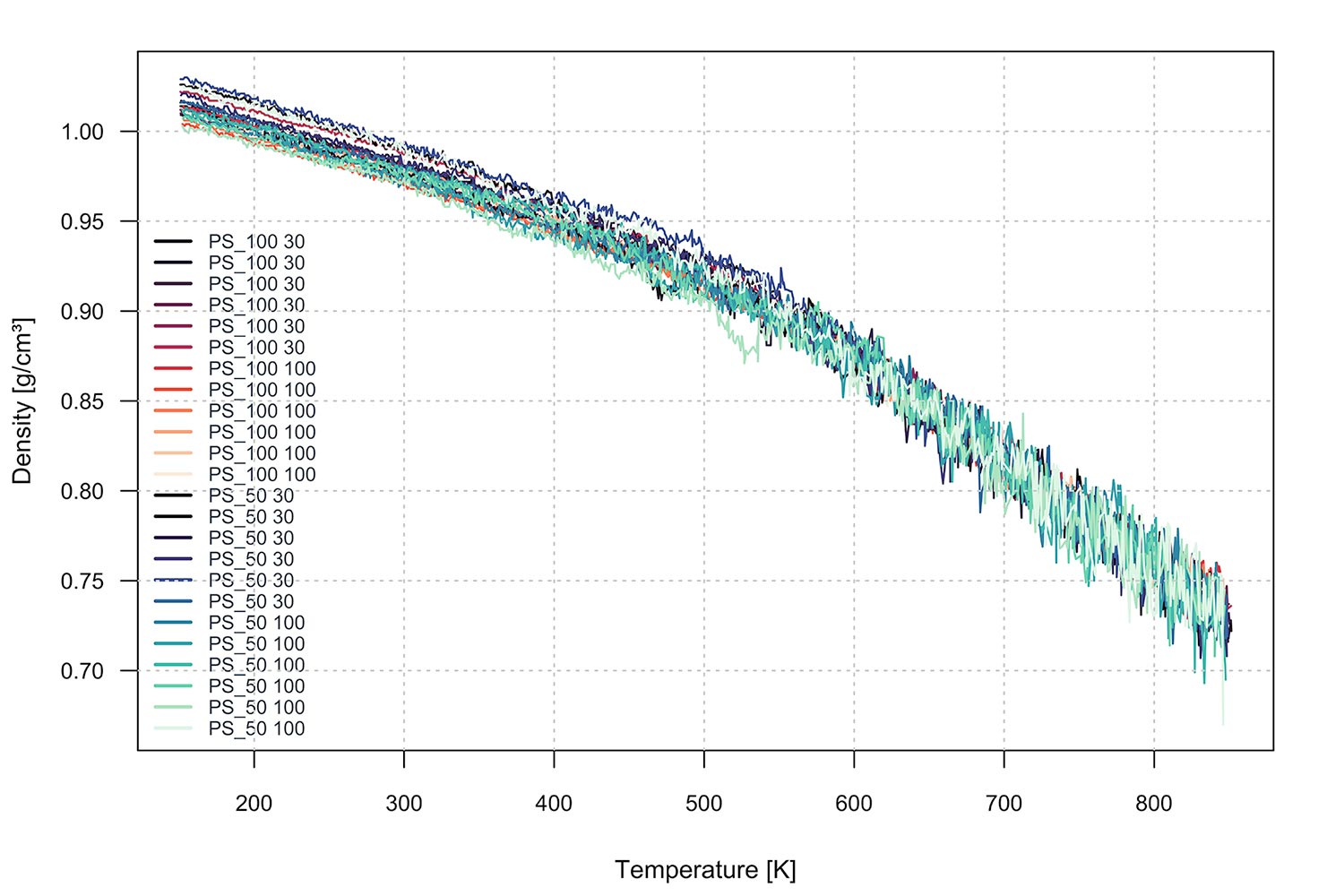
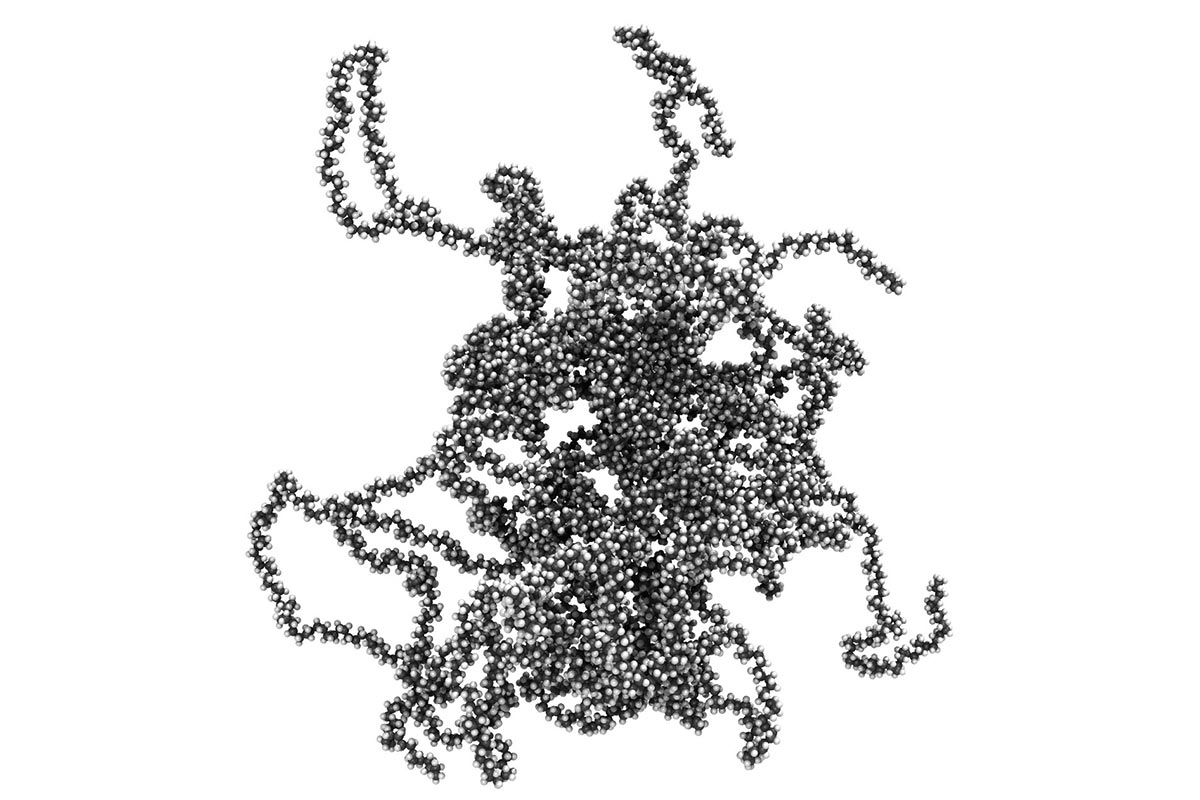
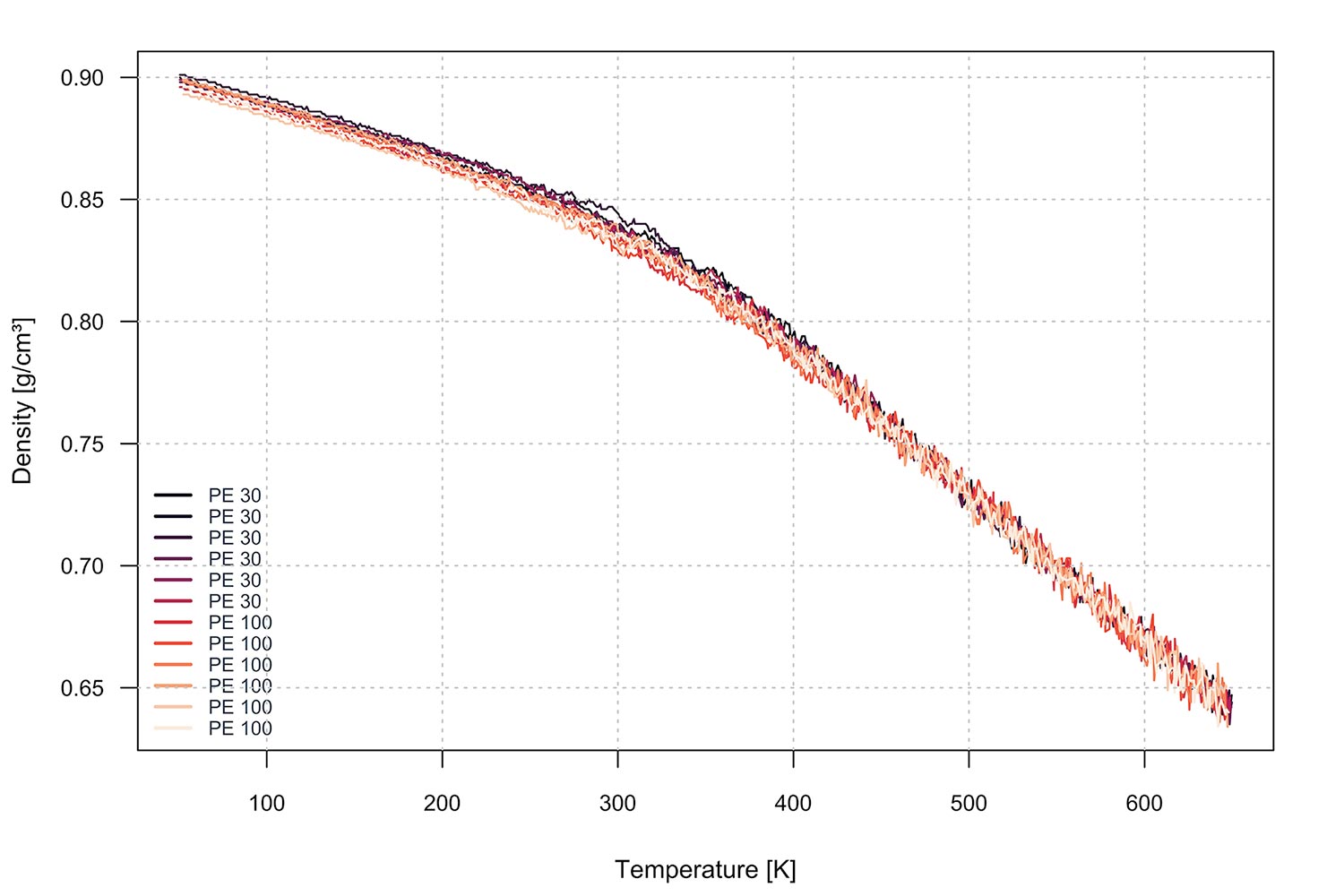
Polylactic Acid (PLA) System PLA all data plot Polylactic Acid Polystyrene (PS) System Density vs. Temperature for the Polystyrene (PS) System Polyethylene (PE) System Density vs. Temperature for the Polyethylene (PE) System

The Open Force Field Initiative is at the forefront of developing molecular mechanics force fields for simulating large biomolecular systems, paired with intuitive, high-performance tools designed for both accuracy and efficiency. OpenFF force fields are optimized in an open and transparent manner using open-source tools and datasets. Unlike traditional methods that rely on manually assigning atom types, OpenFF streamlines this process by directly assigning parameters to chemical graphs. This innovative approach simplifies parameterization and allows for seamless exportation of these optimized systems to a variety of molecular simulation engines, offering unmatched versatility.

In my thesis, I utilized the OpenFF framework to investigate the glass transition temperature (Tg) of various polymers, including polyethylene (PE), polystyrene (PS), and polylactic acid (PLA), through molecular dynamics simulations in LAMMPS. To streamline this process, I developed a Python program that generates LAMMPS data files from PDB files using the OpenFF Toolkit.

By comparing simulation results with experimental data, I examined the impact of cooling rates, force field models, and the predictive accuracy of simulations. OpenFF greatly simplified the parameterization process compared to traditional force fields, leveraging its Direct Chemical Perception method, which removes the need for manual atom type assignment.

The SMIRNOFF format, which uses SMIRKS for parameter assignment, enhanced OpenFF’s flexibility, especially in polymer studies where conventional parameterization methods often fall short. Moreover, by integrating OpenFF Bespoke, I was able to optimize torsional parameters, significantly improving the accuracy of polymer chain representations. These advancements are essential for developing precise and efficient models of polymeric materials in computational simulations.


Copyright © 2026
Francesco Blasina